
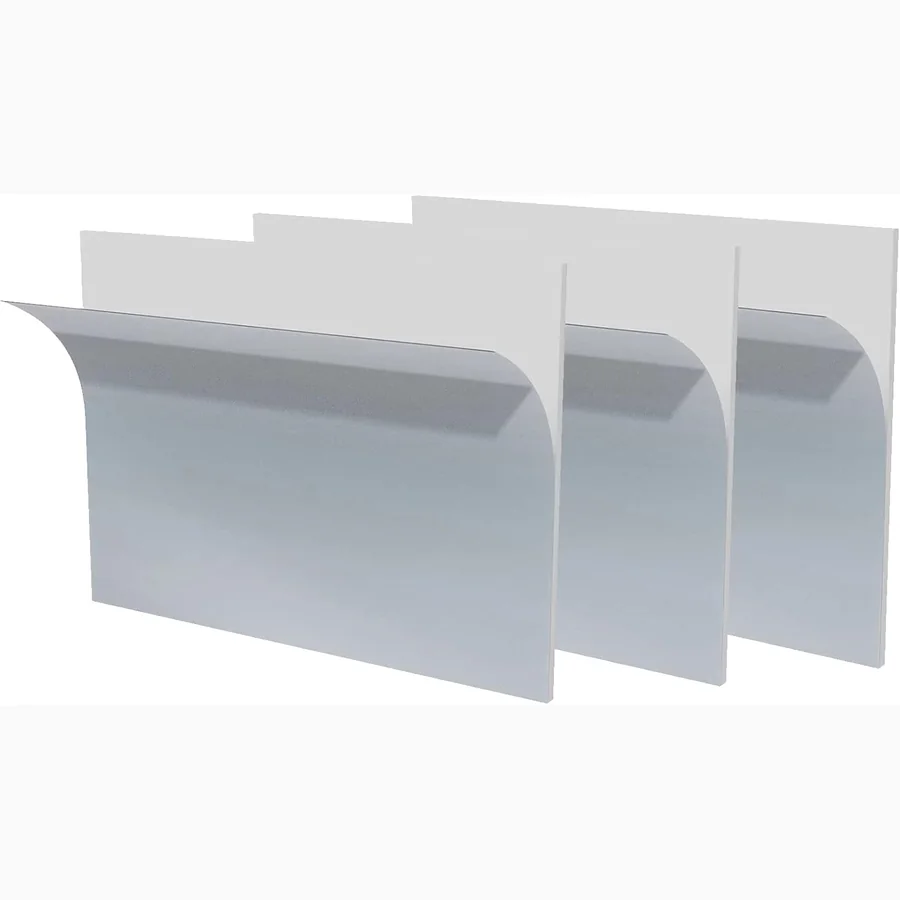
PIAOLGYI 3-Pack Acrylic Shelf
A three-pack of thick acrylic shelves sized for Detolf cabinets so you can add levels without hunting spare glass.
Check PriceThe IKEA Detolf ships with four adjustable tempered-glass shelves inside its 43×37×163 cm frame. This guide covers original shelf specs, where to find replacements, risers and inserts, safe loading, lighting, mirrors, and layout ideas for figures, models, and collectibles.
Browse Options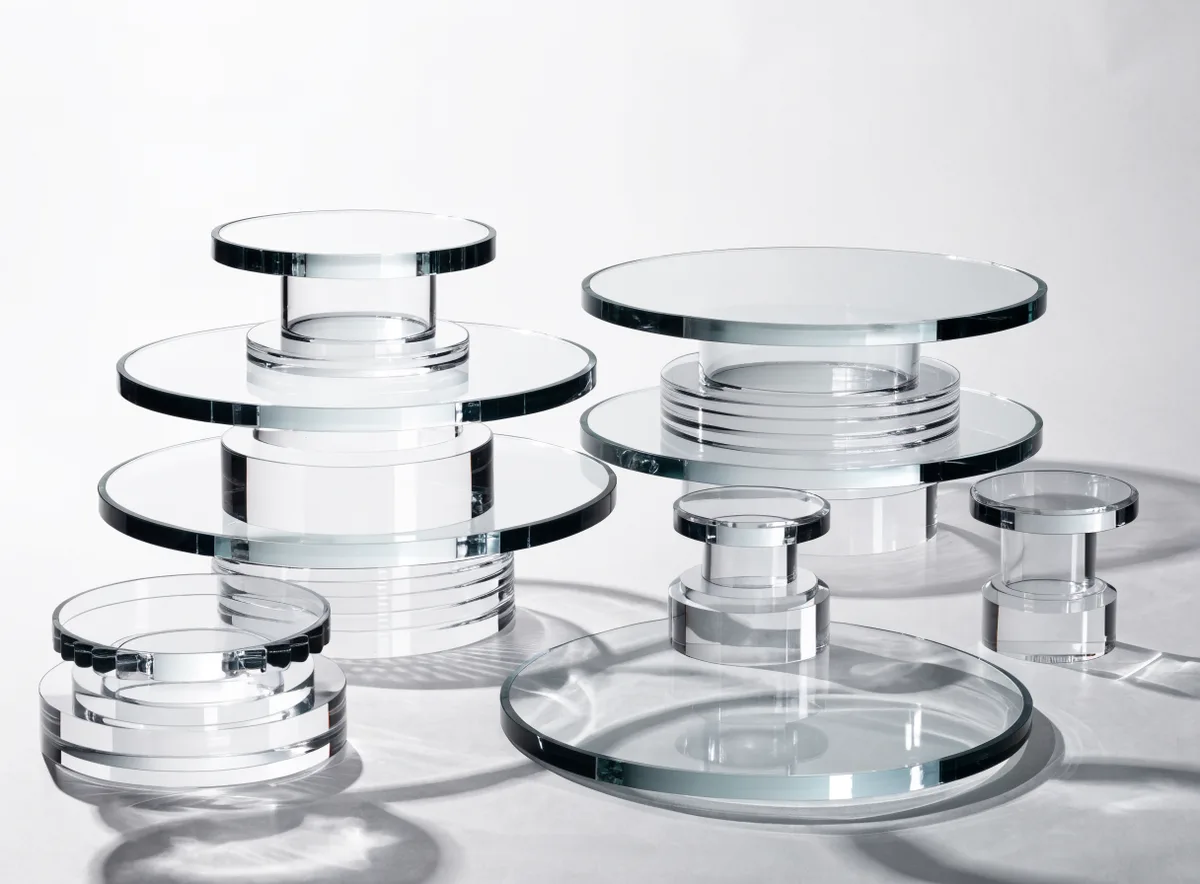
Extra acrylic shelves sized for Detolf cabinets when you need more display levels.
A three-pack of thick acrylic shelves sized for Detolf cabinets so you can add levels without hunting spare glass.
Check Price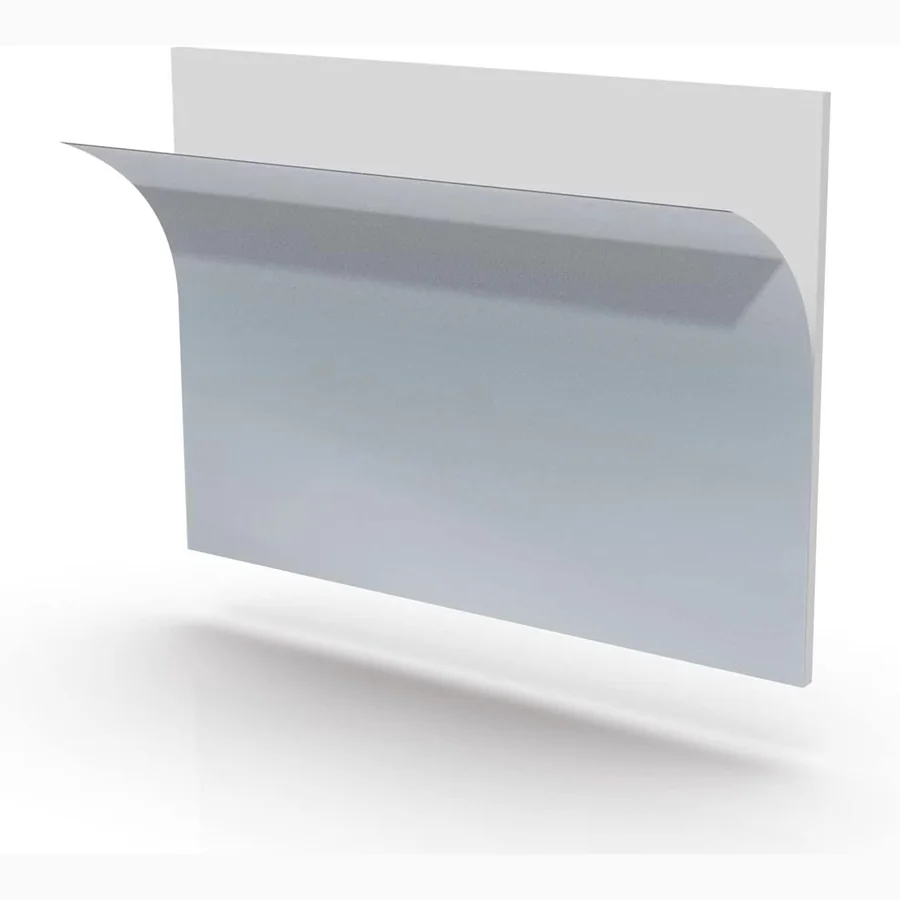
A single 8 mm acrylic replacement shelf cut to Detolf interior size for stronger load than thin glass.
Check Price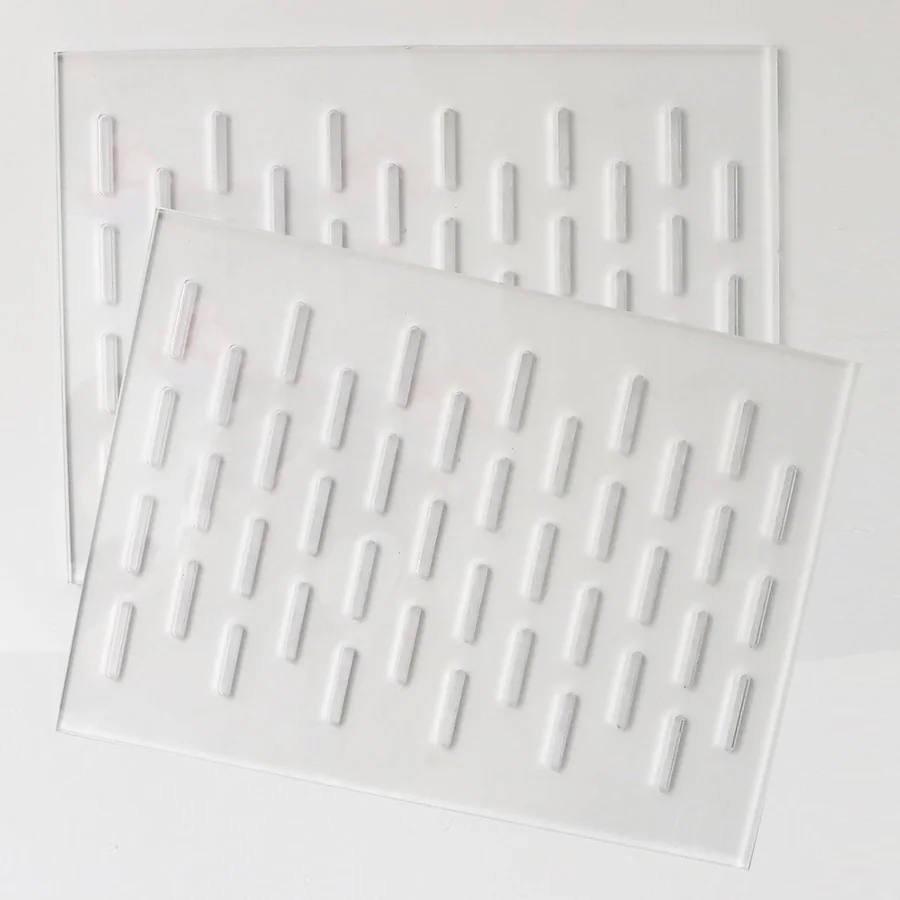
Acrylic Detolf shelves with cable and vent holes so LED wiring can pass cleanly through each level.
Check Price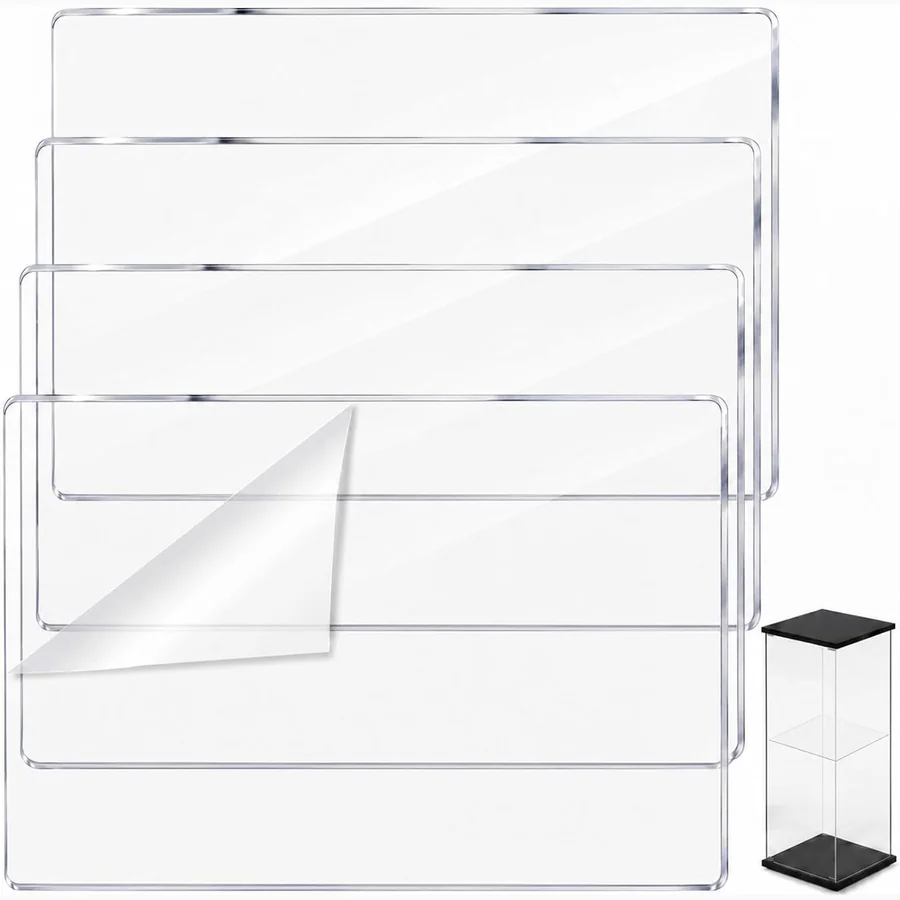
Four transparent acrylic inserts sized for Detolf cabinets when you want more shelves in one order.
Check PriceThe classic Detolf is an all-glass display cabinet with a narrow footprint and tall vertical glass panels. Its four shelves rest on metal pins in the side uprights and match the interior width and depth of the cabinet body. In practice, usable shelf dimensions align with the inner glass box: approximately 38.5 cm wide and 33 cm deep, with shelves cut to sit flush inside the metal frame.
Shelf glass is tempered safety glass, typically around 5 mm thick, the same family of specification as the side and door panels. Tempering means that if a shelf ever fails, it is designed to crumble into small pieces rather than sharp shards—still something to avoid by respecting weight limits and avoiding impacts at the corners.
Because the Detolf is discontinued at IKEA, new collectors often inherit units second-hand or buy alternatives; understanding these measurements is essential when ordering custom glass or comparing third-party inserts.
Official spare parts sometimes surface through IKEA’s parts ordering system or customer support, but availability varies by region and stock. Many owners turn to local glass shops that can cut tempered glass to the interior dimensions of the cabinet, with polished edges and correct thickness.
Online marketplaces are another source for used Detolf shelves sold with damaged cabinets or from collectors who part out units. Always verify measurements and edge finish before purchase; a shelf that is slightly too large will not seat correctly on the pins, and one that is too small may shift or stress the glass.
When ordering custom glass, bring exact interior width and depth from your own cabinet if possible, as manufacturing tolerances and assembly can vary slightly between production years.
Clear acrylic risers (steps, blocks, and display stands) are among the most popular Detolf upgrades. They let you stack smaller figures, blind-box toys, or model cars within a single shelf height without drilling or modifying the cabinet structure.
Choose risers that fit your shelf depth so the front row does not block the door from closing. Low-profile designs in crystal-clear or frosted acrylic keep attention on the collection. For heavier resin statues, prefer thick acrylic bases or distribute weight across multiple blocks.
Risers also help with photography and visibility: staggered heights reduce shadow overlap and make each piece readable from the front glass.
Advanced collectors sometimes add more horizontal surfaces by installing extra shelf pins in unused holes, using third-party brackets, or commissioning half-width shelves that leave space for tall centerpieces beside a stepped display.
Any modification that drills metal or glass carries risk of voiding structural integrity or cracking tempered panels. Safer approaches include freestanding inserts that rest on the existing glass, acrylic “floors” supported at the edges, or magnetic ledges designed for glass surfaces—always test fit and load gently.
If you remove one factory shelf to fit a very tall item, store the unused glass safely flat and padded; edge impacts are a common cause of shelf failure.
IKEA documentation and community experience generally cite about 5 kg per shelf when weight is spread evenly. That is sufficient for many figure lines, boxed sets, and light dioramas, but large resin pieces or dense metal kits can approach or exceed safe limits.
Load distribution matters as much as total mass: a heavy statue with a small foot print acts like a point load. Use a wider base plate, soft pad, or acrylic spreader to transfer force across more of the glass. Avoid sudden drops when placing items; tempered glass can tolerate static load better than sharp impacts.
For mixed collections, place heavier items on lower shelves to lower the center of gravity of the whole cabinet and reduce consequences if a pin slips.
LED strips are often routed along the vertical metal uprights or the underside of shelf fronts, sometimes hidden behind thin diffusers. Battery-powered puck lights and USB strips are popular where outlets are scarce; hardwired profiles give the cleanest look but need cable management.
Keep LEDs low heat and avoid trapping power supplies where they cannot dissipate heat. Indirect lighting (bouncing off the back panel) reduces hot spots on glossy figures and minimizes glare on the door glass.
If you tape channels to glass, use products rated for removable mounting to avoid residue that etches or weakens coatings over years.
Mirror film or thin mirror panels on the base or on individual shelves can double the visual depth of a display and brighten darker rooms by reflecting your LED setup. Some collectors use custom-cut mirror acrylic for lighter weight than glass mirror.
Ensure any added layer does not interfere with door clearance or shelf pins. Non-slip pads help keep mirror inserts from sliding when the cabinet is bumped.
The hobby market offers Detolf-specific grids, stair inserts, and modular cubes sized to the interior. These can create “neighborhoods” for different franchises or elevation tiers without extra glass. Verify seller dimensions against your measurements page values before buying.
Fabric liners and thin mats reduce sliding and soften contact between bases and glass; choose materials that do not off-gas strong odors into a sealed display.
For 1/6 scale figures, alternate heights with risers so faces are visible; group by series or color for visual rhythm. Model kits and Gunpla benefit from slightly deeper risers at the back and smaller stands forward to show silhouettes.
Pop vinyl and smaller toys often fill a shelf fastest—use stepped acrylic to avoid a flat “warehouse” look. LEGO displays may need wider bases; consider fewer items per shelf or a half-shelf layout around a central modular build.
Leave a little negative space between groups; overcrowding increases contact scratches and makes dusting harder when you open the door.
They match the interior footprint—about 38.5 cm × 33 cm with roughly 5 mm tempered glass—and the cabinet includes four shelves from the factory.
Sometimes via IKEA spare parts, but stock is unreliable after discontinuation. Custom-cut tempered glass, used pulls, and marketplace listings are common alternatives.
Plan for about 5 kg per shelf with even loading; spread heavy pieces and avoid concentrated pressure at the center or corners.
Yes—clear acrylic steps and blocks are widely used; pick stable bases, watch total weight, and keep the door’s swing path clear.
Now that you know the exact dimensions, explore where to buy a Detolf or discover similar alternatives that fit your space.