
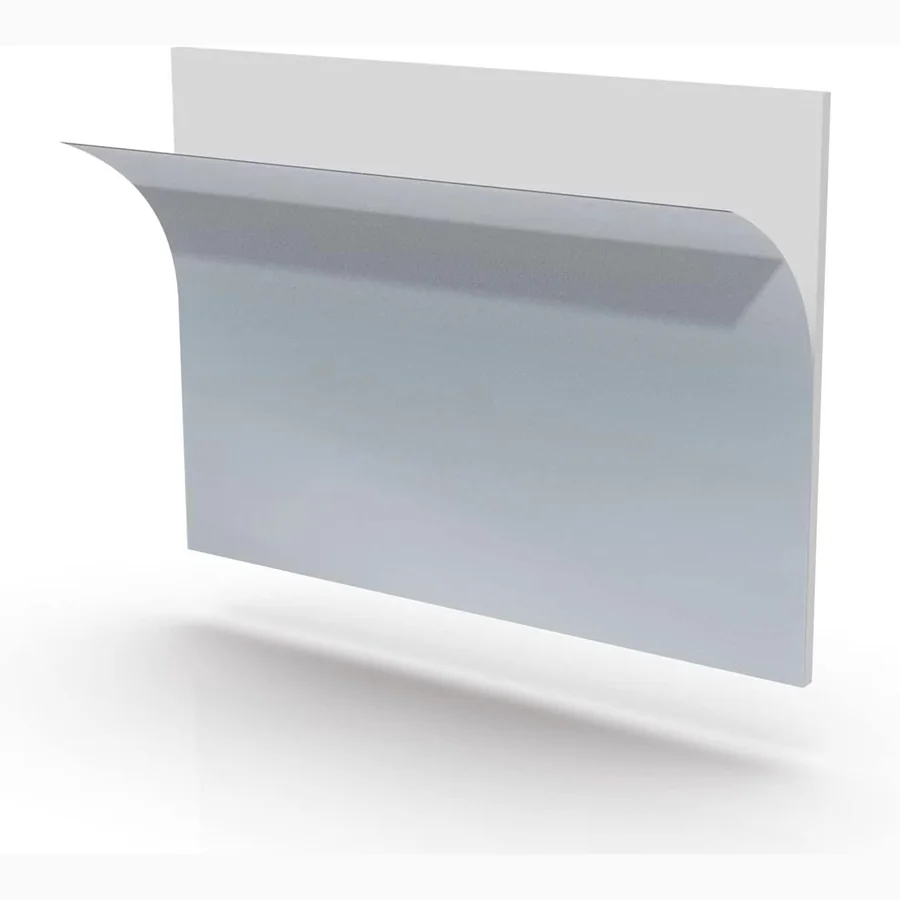
PIAOLGYI Acrylic Shelf 8mm
A single 8 mm acrylic replacement shelf cut to Detolf interior size for stronger load than thin glass.
Check PriceThe Detolf glass display cabinet relies on tempered glass panels, door hinges, shelf pins, and small rubber bumpers. When something cracks, bends, or goes missing, this guide explains which parts fail most often, where to source originals, and how to measure for custom glass or compatible substitutes.
Browse Options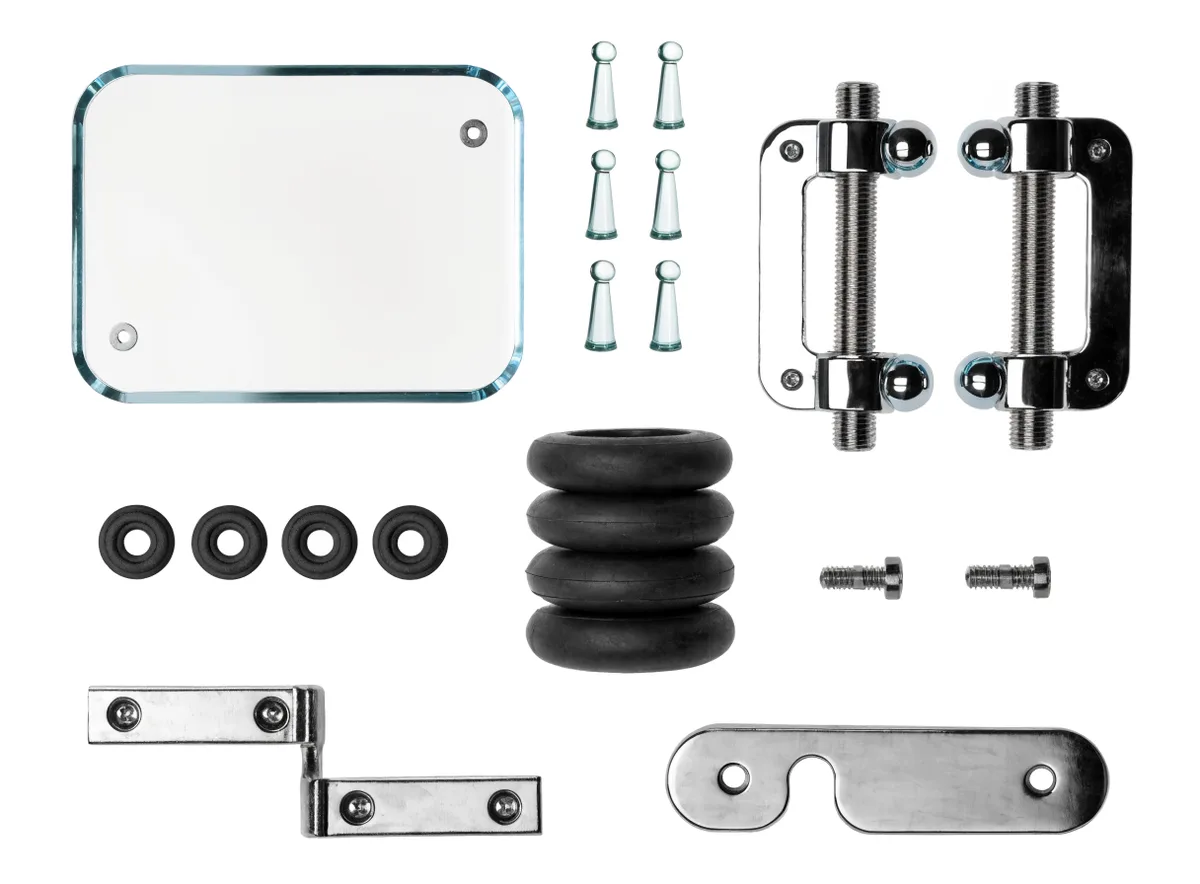
Shelves and support clips useful when original Detolf parts are missing or worn.
A single 8 mm acrylic replacement shelf cut to Detolf interior size for stronger load than thin glass.
Check Price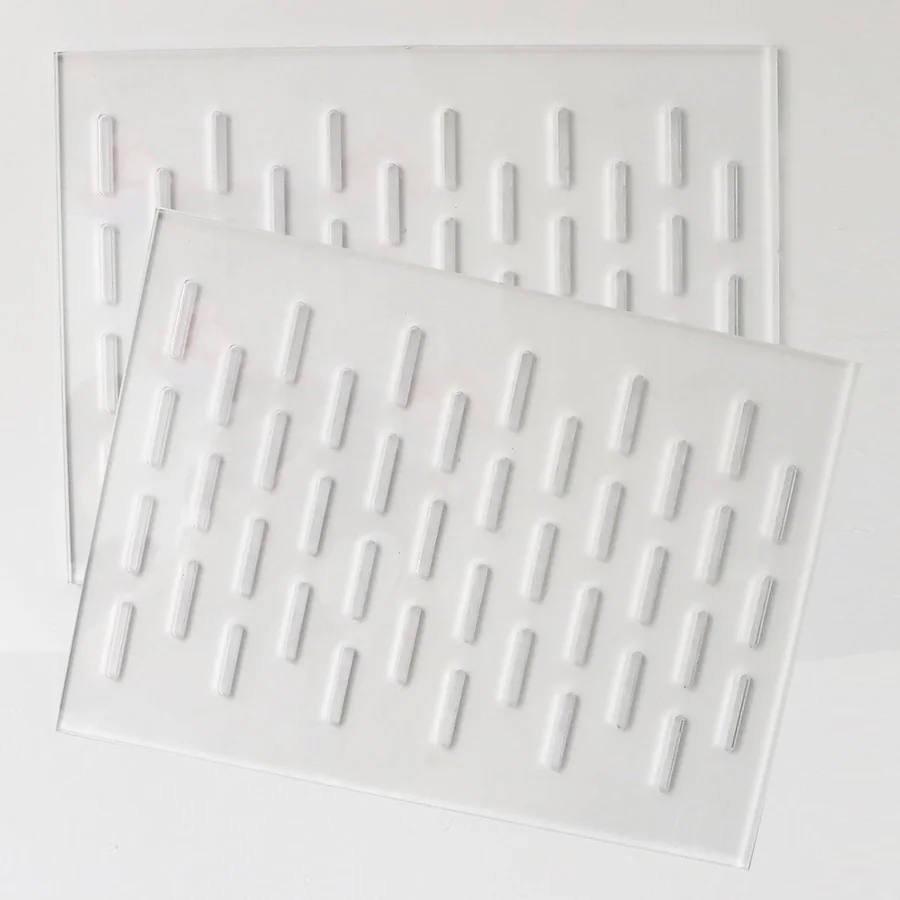
Acrylic Detolf shelves with cable and vent holes so LED wiring can pass cleanly through each level.
Check Price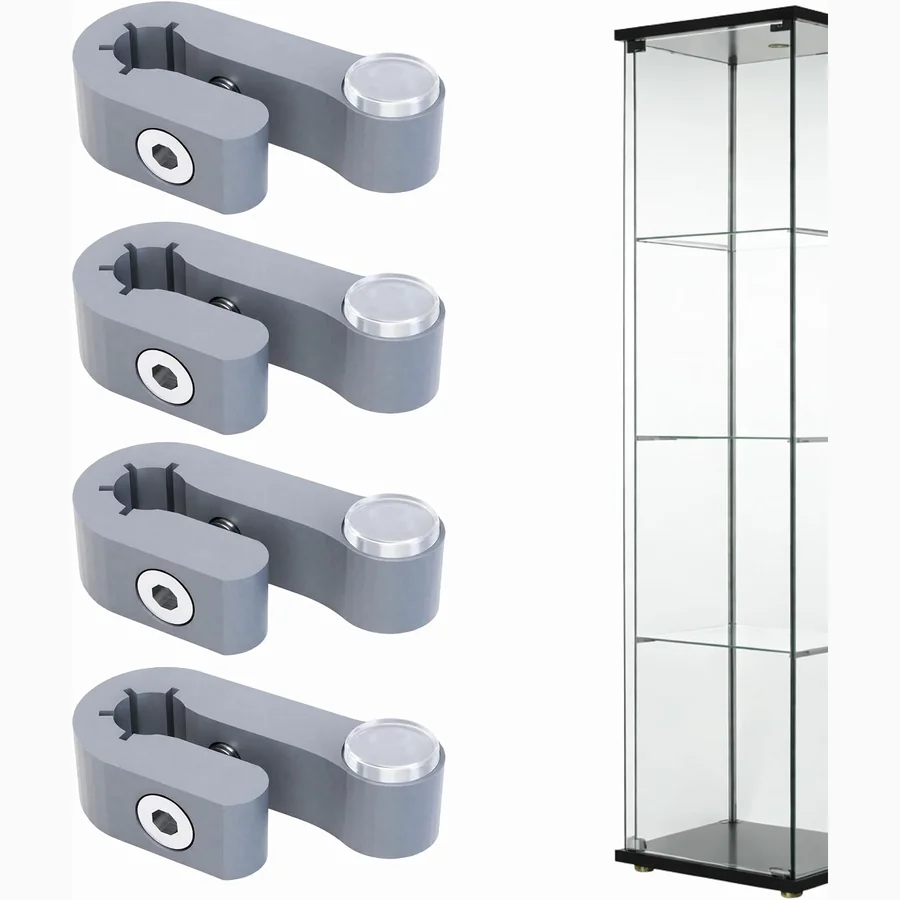
Replacement shelf brackets and hardware for Detolf cabinets when original clips are missing or worn.
Check Price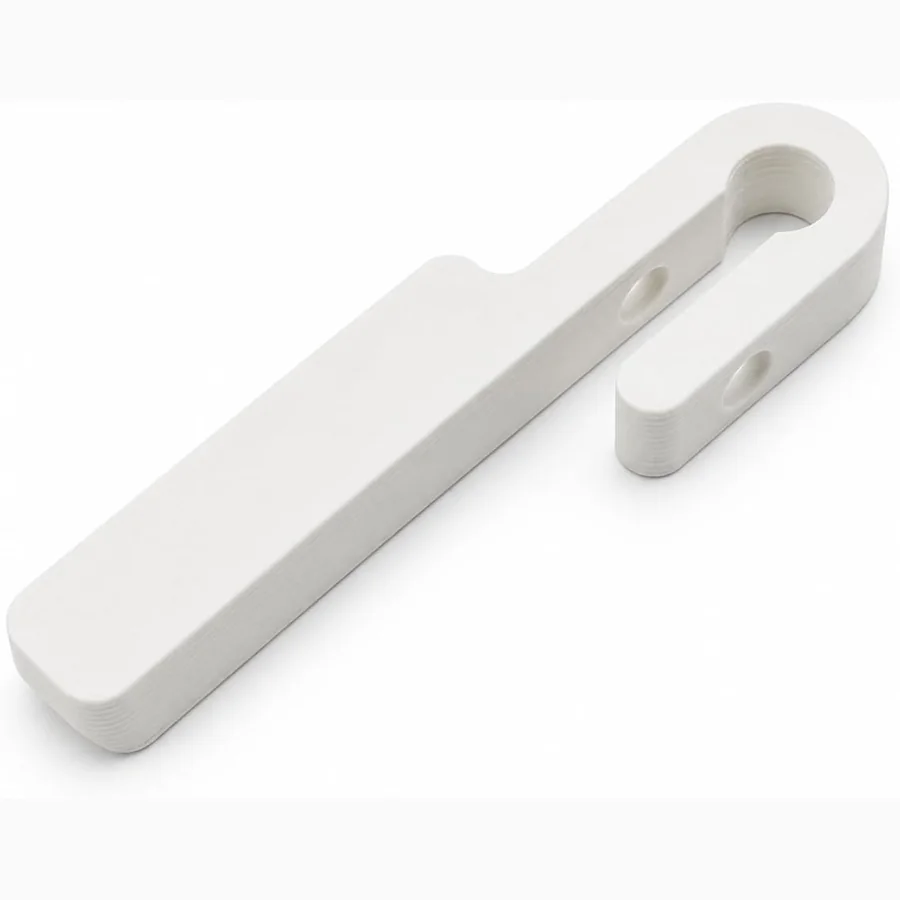
Screw-mount shelf pegs that restore adjustable height options inside a Detolf glass cabinet.
Check PriceCollectors and hobbyists who use the Detolf for figures, models, and toys eventually run into wear or accidents. The glass door, side panels, back panel, and four adjustable glass shelves are the most visible components. A single impact or uneven load can chip tempered glass, and once tempered glass is damaged, repair is rarely safe or practical.
Beyond glass, the door hinges take stress every time the cabinet opens. Plastic or metal hinge parts can crack, strip, or loosen. Shelf pins (the small supports that hold each glass shelf) bend or disappear during moves. Rubber bumpers and feet cushion the door and stabilize the base; they harden, tear, or fall off over years of use.
Knowing which category your problem falls into—glass, hinge, pin, or bumper—saves time when you contact suppliers or search part numbers. Always handle replacement glass with gloves and work on a flat, padded surface to avoid new scratches or breakage.
IKEA has historically offered spare parts through its stores and online spare-parts service. If the Detolf or a specific component is discontinued in your region, availability fluctuates. Start with the official IKEA spare parts flow: note your product name (Detolf), describe the broken piece, and provide photos if the system allows. Staff can sometimes identify the correct hinge pack, pin set, or bumper kit even when the full cabinet is no longer sold.
Stock for legacy items often runs out without notice. If originals are unavailable, document exact measurements and angles before you accept a substitute. Keep any intact hardware from the same cabinet as a reference when ordering third-party pieces.
Regional differences matter: a part number that works in one country may differ elsewhere. When in doubt, compare physical dimensions and mounting style rather than relying on a label alone.
When OEM glass is gone, local glass shops and online specialists can cut tempered panels to size. The Detolf uses a slim footprint—roughly 43 cm wide, 37 cm deep, and 163 cm tall on the outside—with multiple fixed panels and shelves. Each piece has its own width, height, and edge treatment, so never assume one measurement fits all.
Third-party sellers sometimes list pre-cut Detolf-compatible glass kits. Verify thickness (commonly around 5 mm for shelves and panels), tempered certification, and return policies. Poorly tempered or wrong-thickness glass can fail under shelf loads or door stress.
For a single broken shelf, replacing only that shelf is usually cheaper than a full kit. Match the corner radius and hole pattern if your shelves use any locating features; Detolf shelves typically rest on pins without through-holes, which simplifies custom cutting.
Door hinge failure shows up as sagging, rubbing, or a door that will not stay aligned. First, empty the cabinet and support the door before loosening hardware. Photograph the hinge orientation so you can reinstall new parts in the same direction. Remove fasteners carefully; stripped screws in thin metal or plastic hinge housings are a common secondary problem.
Install replacement hinges snugly but avoid overtightening, which can crack adjacent glass or deform brackets. After installation, check that the door opens smoothly and closes flush against the bumpers. Minor vertical adjustment is sometimes possible by slightly shifting bracket position within slotted holes, if your hardware allows it.
If only one hinge component broke, you may replace a single hinge pair rather than the full door assembly—provided the new part matches the original geometry. Mixed hinge brands on one door often cause binding.
Shelf pins are small but critical. They must match the diameter and length of the holes in the Detolf vertical uprights. Pins that are too short allow the shelf to tilt; pins that are too long may not seat fully. Generic metal shelf supports from hardware stores often work if dimensions align; bring an old pin to the store when possible.
When replacing pins after a move, count how many you need for four shelves (typically eight pins for a standard four-shelf setup, two per shelf). Inspect the upright holes for deformation; ovalized holes may need professional repair or upright replacement if IKEA still stocks that metal part.
Never overload a shelf while testing new pins. Add weight gradually and watch for flex or pin creep over the first few days.
Rubber bumpers soften the door close and protect glass edges. If bumpers are missing, the door may metal-on-glass contact and chip over time. Adhesive-backed silicone bumpers in similar thickness can work as substitutes; clean the mounting area with alcohol before applying so adhesion lasts.
Feet or base pads stabilize the cabinet on hard floors. Worn feet allow slight rocking, which stresses tall glass panels. Level the unit with adjustable feet or thin shims under the base, then confirm the cabinet does not rock when you lightly push the top.
Replacing all bumpers at once keeps door alignment consistent. Mismatched bumper heights can twist the door slightly and stress hinges.
Accurate measurement is non-negotiable for custom glass. Use a metal tape measure and record width and height to the millimeter. Measure each panel separately—door, sides, back, and each shelf size if they differ. Note whether edges are polished and if corners are square or slightly radiused.
Bring photos and sketches to a custom cut glass shop. Ask explicitly for tempered glass rated for furniture use. Shops may deduct a small amount for clearance; confirm their convention so the panel is not too loose or too tight in the frame.
If the frame is slightly out of square, measure in multiple places (top, middle, bottom) and give the shop the minimum clear dimensions that still fit without forcing glass into the channel.
Minor issues sometimes need only tightening screws, realigning the door, or replacing bumpers and pins. DIY repair is appropriate when hardware is accessible, damage is cosmetic on metal only, and safety is not compromised. Use the right screwdriver size to avoid cam-out damage on small fasteners.
Replace rather than repair when tempered glass shows chips, cracks, or spiderwebbing, when hinges are fractured, or when uprights are bent. Attempting to drill tempered glass or glue large cracks creates failure risk. For valuable collections, a compromised door or shelf is not worth the gamble.
When cost approaches a used replacement cabinet, compare full unit price versus glass-plus-labor. Sometimes buying another Detolf secondhand is cheaper than cutting four shelves and a door—but sourcing OEM-sized glass remains the right call if you want to keep a perfectly matched display wall.
Availability depends on region and stock. Start with IKEA's spare parts service and provide product details and photos. Discontinued lines may sell out; if so, use exact measurements for custom or third-party parts.
Yes, if it is tempered to the correct thickness and cut to accurate dimensions. Always use a reputable glass shop or supplier and avoid non-tempered substitutes for shelves or door panels.
Match pin diameter and usable length to the upright holes and shelf recess. Bring an original pin to compare, or measure with calipers. Generic pins often work when dimensions align.
Tempered glass with chips or cracks should be replaced, not glued or drilled. Continuing to use damaged glass risks sudden failure and injury. Remove the panel and lighten the cabinet until a proper replacement is installed.
Now that you know the exact dimensions, explore where to buy a Detolf or discover similar alternatives that fit your space.