
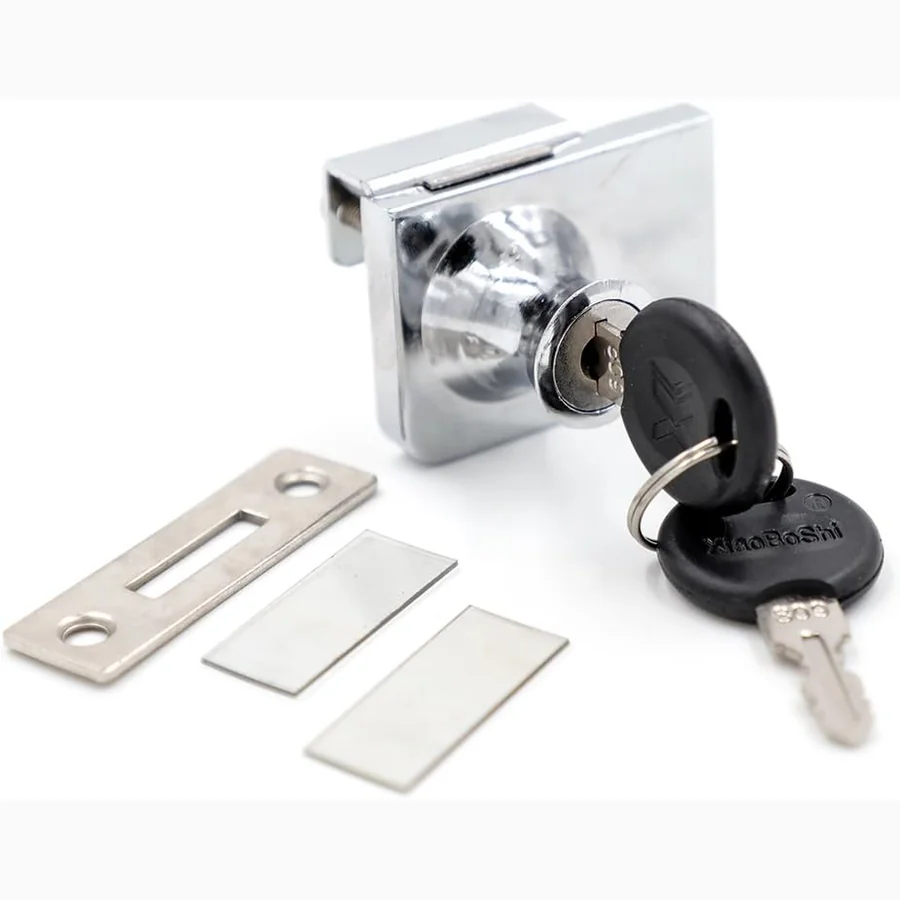
DiER Glass Cabinet Lock
A no-drill glass door lock made for hinged Detolf-style cabinets when you need keyed security at home.
Check PriceThe Detolf’s glass door opens with a simple magnet catch—convenient for daily dusting, but not ideal if you need childproofing, pet barriers, or basic theft deterrence. This guide walks through lock types, no-drill options, anchoring, UV protection, insurance, and a practical installation sequence.
Browse Options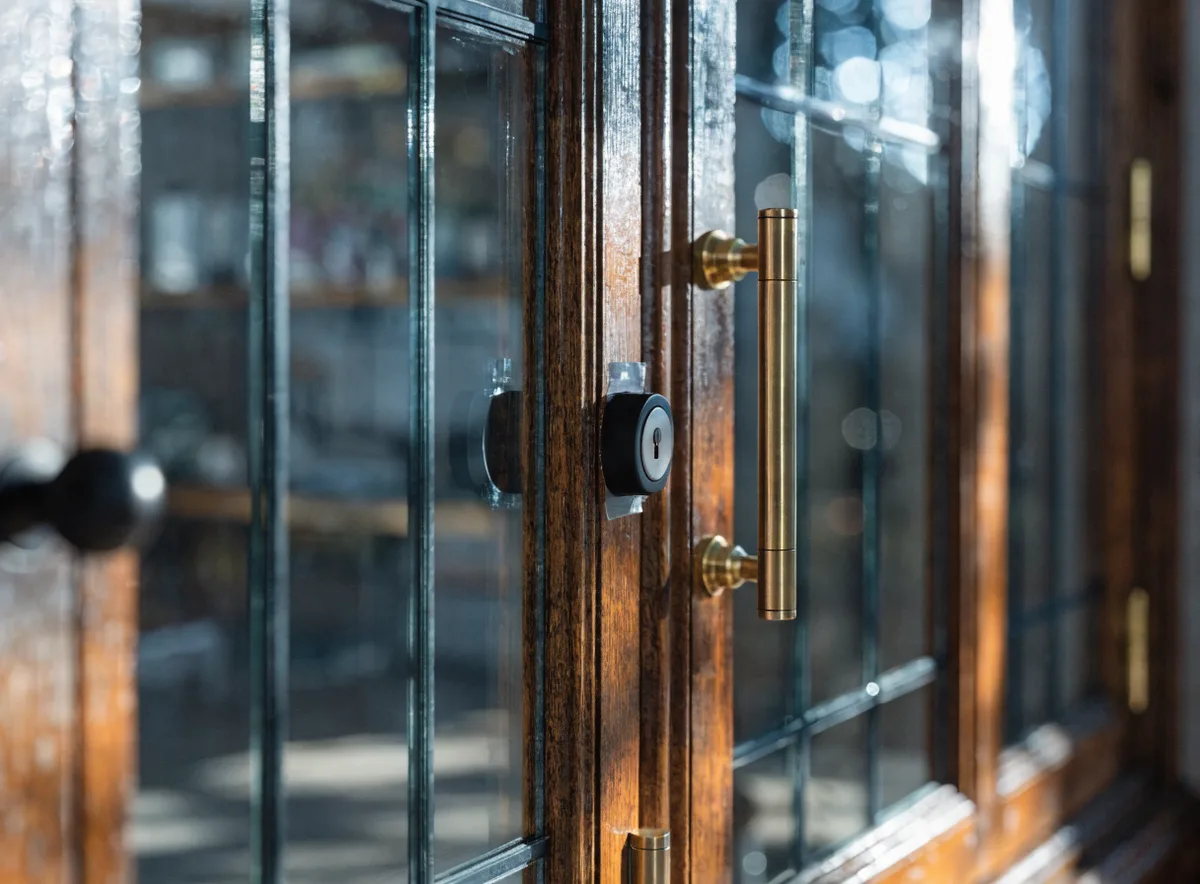
Door locks and shelf hardware that help secure and stabilize a Detolf cabinet.
A no-drill glass door lock made for hinged Detolf-style cabinets when you need keyed security at home.
Check Price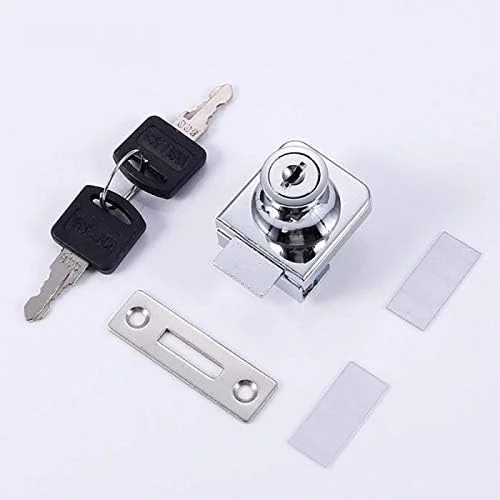
A compact hinged-glass lock option for Detolf doors when adhesive child locks are not enough.
Check Price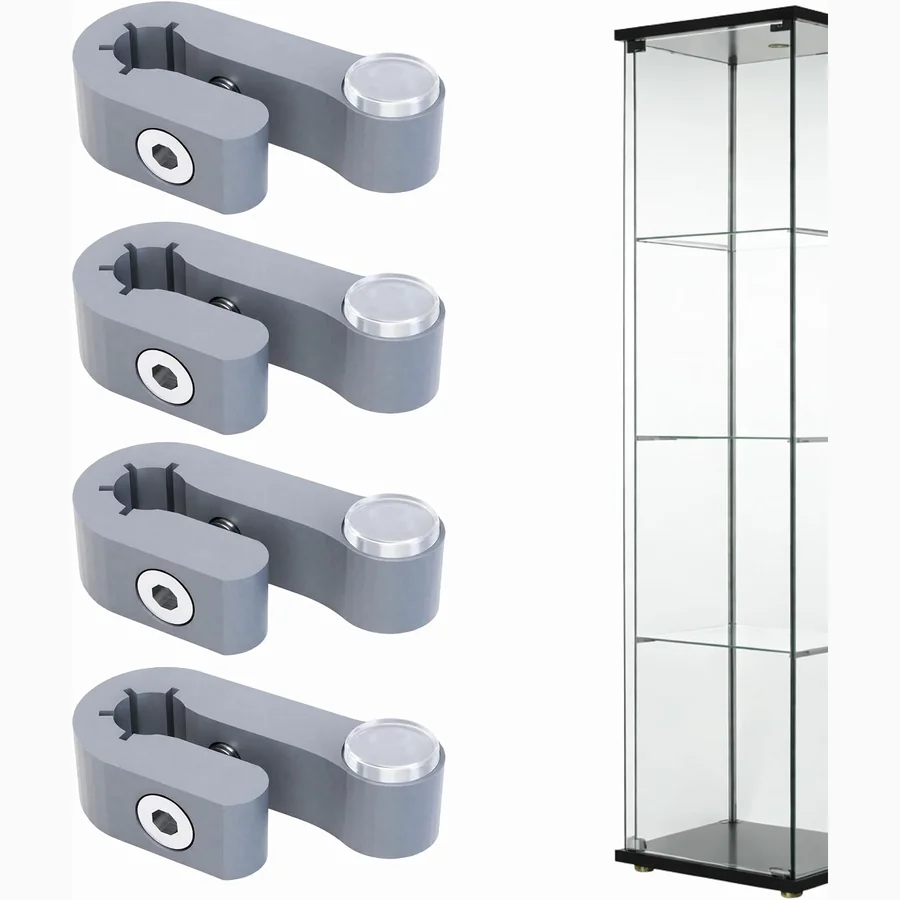
Replacement shelf brackets and hardware for Detolf cabinets when original clips are missing or worn.
Check Price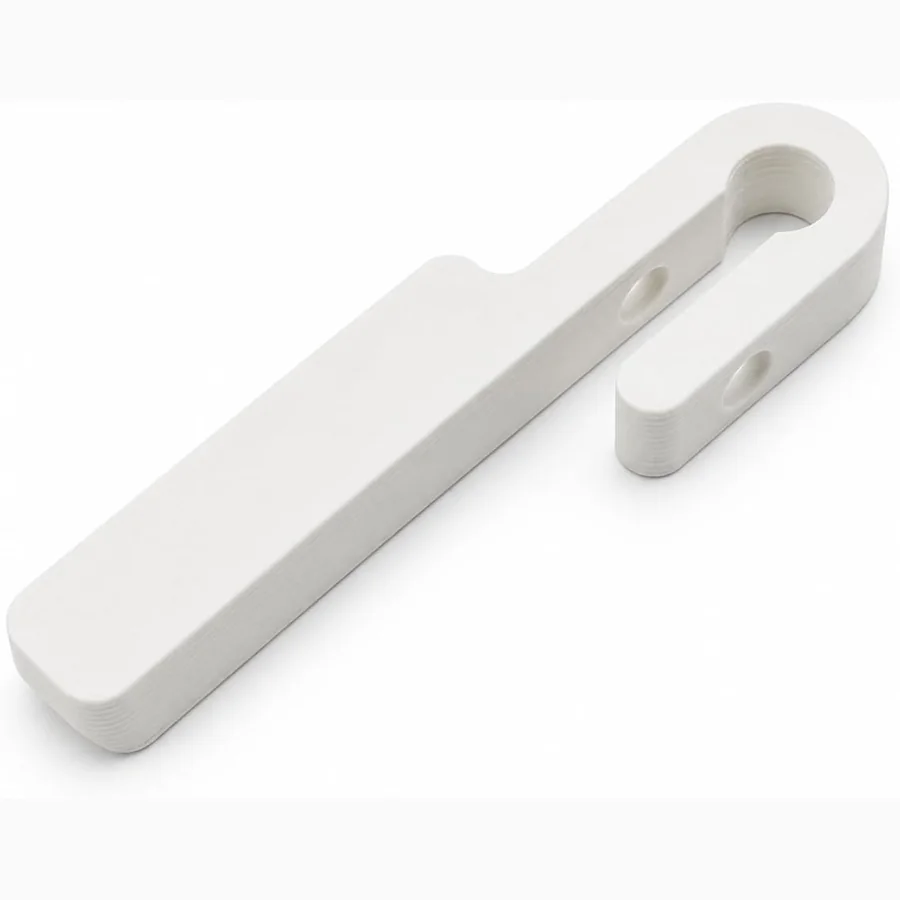
Screw-mount shelf pegs that restore adjustable height options inside a Detolf glass cabinet.
Check PriceCollectors add hardware for different reasons. Young children can be surprisingly strong and curious; a glass door that swings open easily invites fingerprints, toppled statues, or pinched fingers. Cats and dogs may scratch glass or bump the cabinet, and an unsecured door can swing open during play.
In earthquake-prone regions, the priority is often tip-over safety first, then keeping doors closed so contents do not launch outward. For roommates, open houses, or shared studios, a light-duty lock adds casual deterrence against someone browsing your shelves without permission.
No consumer lock makes a glass cabinet vault-grade; think in layers—lock, anchor, document, insure—especially for high-value grails.
The Detolf door is glass with minimal metal at the hinge side and a slim magnet housing on the closing edge. That geometry favors surface-mounted hardware that grips the metal uprights, adhesive locks designed for display cases, or childproof systems that block the door from opening wide.
Keyed cabinet locks and small hasps can attach to the vertical frame members if you accept visible hardware. Cable locks threaded through fixed handles are uncommon on Detolfs because the door lacks a traditional pull; most people adapt generic showcase locks with careful placement.
Always check clearance so the door still seals, and so LED wiring or shelf pins are not obstructed.
Adhesive cabinet locks marketed for glass or multi-surface use can mount on the metal door edge strip or the adjacent frame. Clean both surfaces with isopropyl alcohol, dry fully, and apply pressure for the time the manufacturer specifies. Temperature swings in a garage or sunlit room can weaken adhesive over years, so inspect periodically.
Choose low-profile latches so the door’s magnetic catch still aligns when unlocked. If adhesive fails, residue removers designed for metal help avoid scratches.
These solutions trade maximum security for ease of install and reversibility—ideal for apartments.
Magnetic systems typically place a catch inside the cabinet and a striker on the door frame so the door opens only when you touch a magnetic key to the outside glass in the right spot. Brands differ, but many collectors adapt standard child locks by mounting components on the Detolf’s narrow metal rails.
Keep the magnetic key in a known drawer; losing it means carefully following the vendor’s emergency override steps. Strong magnets can affect compasses, mechanical watches, or loose ferrous tools stored nearby—usually not an issue for PVC figures, but worth noting for mixed workshops.
These locks excel at stopping toddlers; they are less meaningful against determined adults unless paired with other measures.
For higher deterrence, keyed showcase locks that engage a cam or hook into the frame are common on retail display cases. Installation may require small holes in the metal upright—never drill tempered glass. If you are not comfortable with metal drilling, hire a handyman familiar with display hardware.
Keyed locks slow down opportunistic access and signal seriousness to insurers when combined with photos and receipts. They do not stop someone from carrying away the entire 43×37×163 cm cabinet if it is not anchored.
Maintain a spare key off-site; replacing specialty lock cores can be tedious.
IKEA-style furniture straps or heavy-duty L-brackets tether the cabinet to studs or solid masonry. A full Detolf is tall and narrow; tipping risk rises on carpet, uneven floors, or when the door swings open with weight high on the shelves.
Use anchors rated for your wall type; toggle bolts may suit hollow drywall when studs are misaligned. After anchoring, check straps when you move or re-level the unit.
In seismic events, closed doors and museum putty or gel under bases can reduce sliding, but anchoring remains the primary life-safety upgrade.
Locks keep people out; UV film helps sunlight from fading paints, fabrics, and packaging. Apply optically clear UV-reducing window film to exterior side or door glass per manufacturer instructions, using plenty of slip solution to avoid bubbles.
Film does not replace climate control—keep cabinets away from radiators and direct southern sun when possible.
Photograph serial numbers, boxes, and displays with timestamps. Maintain a spreadsheet of purchase prices and current market estimates. Some homeowner or renter policies cap collectibles unless you add a scheduled personal property rider.
Insurers may ask about locks, alarms, and anchoring; honest documentation speeds claims after fire, theft, or water damage.
1. Empty the cabinet. Remove figures and shelves you need clear for access. 2. Clean surfaces. Degrease metal contact points for adhesive locks. 3. Dry-fit placement. Close the door slowly, marking where hardware clears glass and hinges.
4. Install anchors first if tethering. Locate studs; predrill; attach straps before delicate latch work. 5. Mount the lock. Follow the vendor template; for screws into metal, use a punch center, drill slowly, and deburr. 6. Test operation. Open and close twenty times; confirm the magnetic catch still seats.
7. Reinstall shelves and contents. Recheck door swing weekly for the first month as adhesives cure and houses settle.
Yes—use adhesive latches, magnetic child locks, or small keyed hardware mounted to the metal frame. Avoid drilling tempered glass; plan placement so the factory catch still works.
Generally yes for plastic and resin collectibles; keep strong magnets away from HDDs, sensitive electronics, or loose metal tools stored in the same cabinet.
Yes. Locks do not prevent tip-over; straps or brackets into studs address a separate, critical risk for children, pets, and earthquakes.
Locks add nuisance value only; determined thieves can break glass or take the whole unit. Combine locks with anchoring, alarms if available, photos, and proper insurance coverage.
Now that you know the exact dimensions, explore where to buy a Detolf or discover similar alternatives that fit your space.