
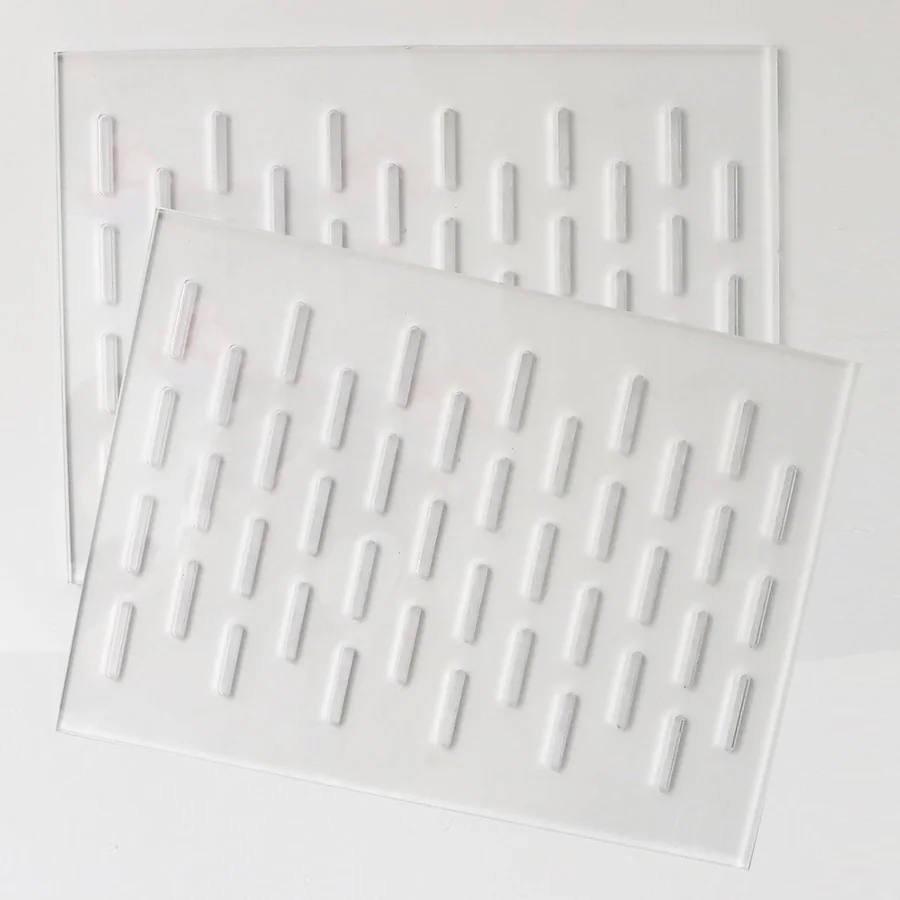
PIAOLGYI Shelf With Holes
Acrylic Detolf shelves with cable and vent holes so LED wiring can pass cleanly through each level.
Check PriceThe IKEA Detolf is a popular DIY hamster enclosure because it offers far more floor space than most store-bought cages when laid on its side. This guide explains dimensions, legal minimums, ventilation, bedding depth, accessories, and safety for a successful conversion.
Browse Options
Shelves with airflow holes, corner inserts, and locks useful for Detolf conversions.
Acrylic Detolf shelves with cable and vent holes so LED wiring can pass cleanly through each level.
Check Price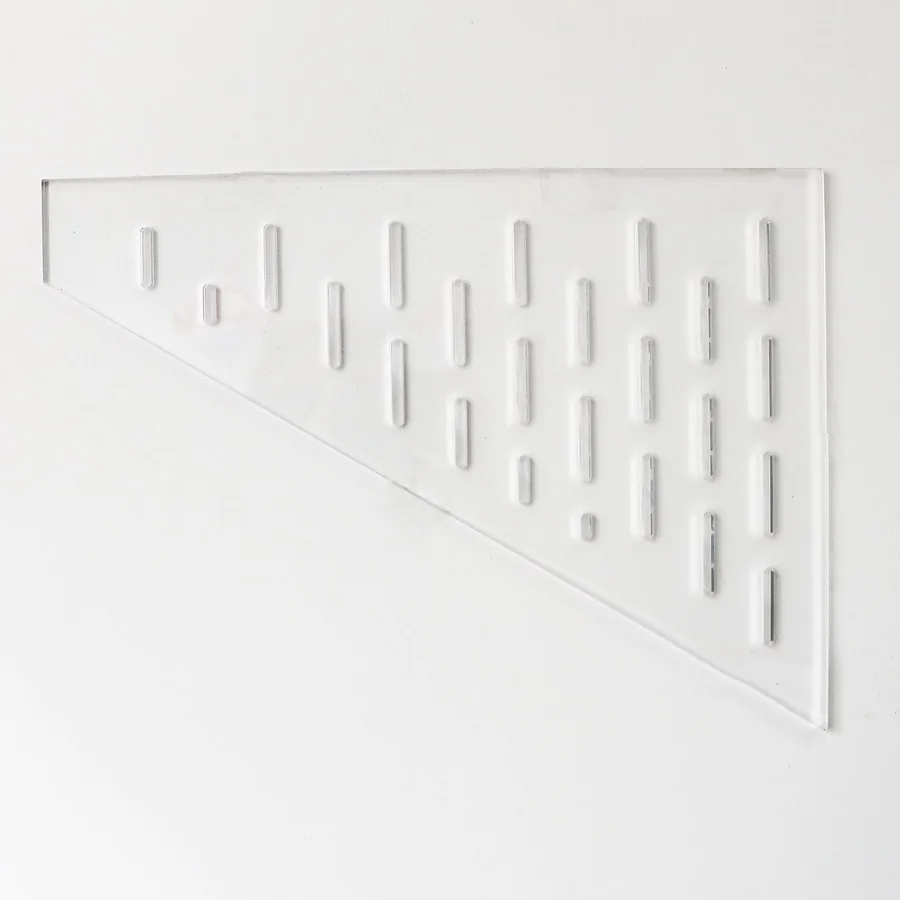
Triangular acrylic corner shelves that free center space in a Detolf for taller figures or props.
Check Price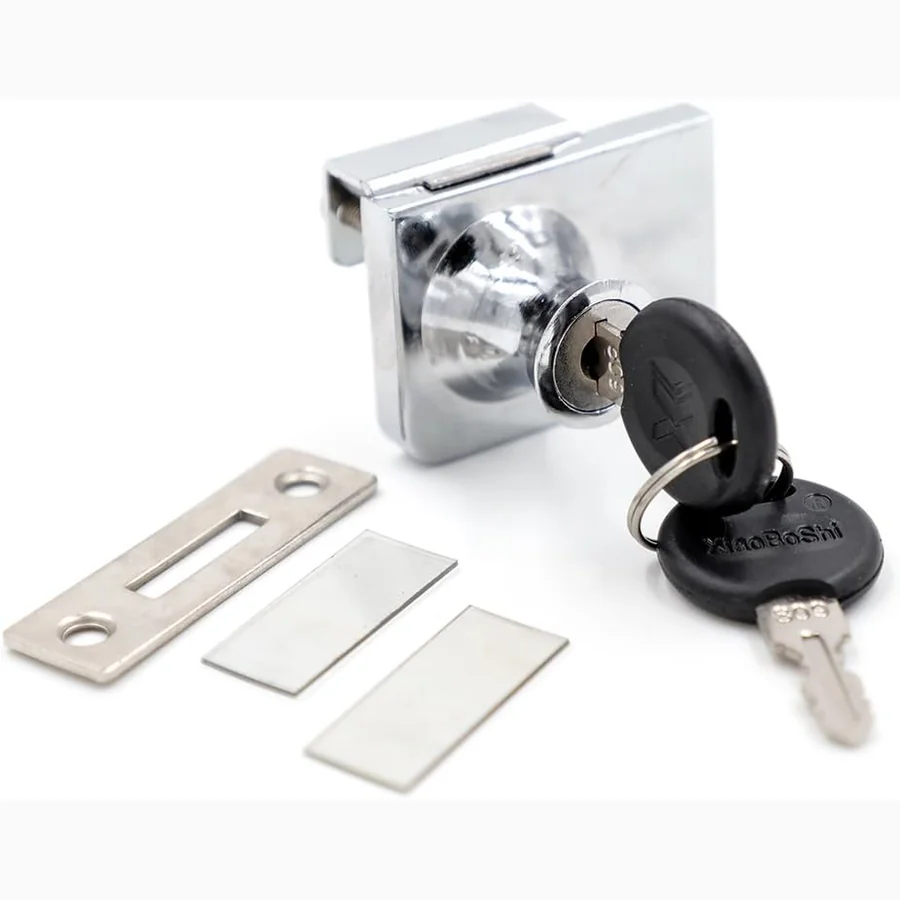
A no-drill glass door lock made for hinged Detolf-style cabinets when you need keyed security at home.
Check Price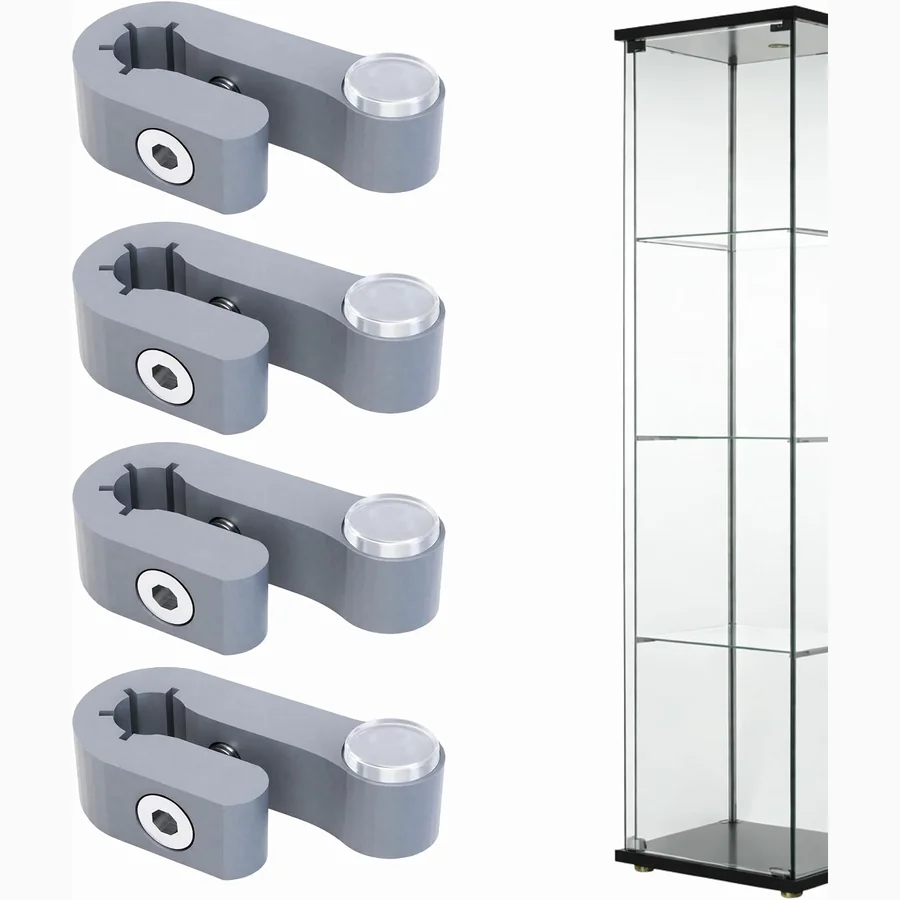
Replacement shelf brackets and hardware for Detolf cabinets when original clips are missing or worn.
Check PriceCollectors know the Detolf as an all-glass display cabinet (43 × 37 × 163 cm) with four adjustable shelves. For hamsters, the breakthrough idea is simple: remove the shelves and lay the unit on its back so the largest glass panels become the floor and front viewing window. That orientation turns a tall display case into a wide, shallow habitat where your pet can run, burrow, and explore in a single uninterrupted layer.
Unlike vertical cages that stack tiny levels, hamsters benefit from continuous floor area for natural running and digging. The Detolf’s glass sides also make daily observation easy. You still must add a secure mesh lid for airflow and escape-proofing, but the base enclosure is inexpensive relative to many “luxury” cages that offer less usable space.
When the Detolf rests on what was originally its back panel, the usable floor footprint is approximately 163 cm long by 43 cm wide. Depth in this orientation corresponds to the cabinet’s former height segment; many keepers use the interior width of about 38–39 cm after framing for substrate calculations.
163 × 43 cm
Exterior floor outline
~7,009 cm²
163 × 43 (reference area)
Exceeds minimums
Syrian & dwarf guidelines
Always confirm current welfare guidelines in your country; many organizations recommend at least 100 × 50 cm of unbroken floor space for Syrian hamsters, with generous depth for burrowing. A converted Detolf typically meets or exceeds these targets on floor length while you manage width and height with lid design.
Retail cages often advertise “large” sizes while dividing space across tubes and platforms. Regulators and rescues increasingly focus on uninterrupted floor area and enrichment, not gimmicks. A flat Detolf provides one open zone where wheels, hides, and deep bedding can coexist without cramped tiers.
The key is honest measurement: use internal length and width after sealant, mesh frames, or corner trims. If your interior is slightly narrower than 43 cm, recalculate area before claiming compliance. Bigger is still better for active Syrians and for groups of dwarf hamsters only where species-appropriate and legally permitted—most keepers house dwarfs alone or in carefully researched same-sex pairs per expert advice.
Disassemble or omit the four glass shelves and shelf pins so nothing protrudes into the living area. Store unused glass safely; tempered panels can shatter if chipped. Cap or file any sharp metal points left by brackets. Some builders line the bottom with a shallow tray or sealed plywood base before adding bedding barriers.
Build a wooden outer frame sized to sit flush on the top opening (formerly the side of the standing cabinet). Staple or screw galvanized wire mesh with hamster-safe spacing—typically 6 mm or smaller for dwarfs—to the underside of the frame so teeth cannot reach unfinished wood edges. Add cabinet locks or clips so the lid cannot be lifted by pets or curious children.
Glass enclosures trap humidity and ammonia without airflow. Your mesh lid should cover the entire open span except where you plan maintenance hatches. Cross-ventilation through mesh is usually sufficient; avoid sealing gaps with plastic film. In warm rooms, monitor for overheating—glass intensifies sunbeams, so never place the cage in direct midday sun.
Some keepers add a secondary small mesh panel on a short side for extra draft in hot climates; balance this against substrate containment and bar-chewing risk. Any added hole must be bordered smoothly so fur or feet cannot catch.
Hamsters are burrowers. Aim for 15–25 cm or more of suitable bedding on at least one third to one half of the floor, deeper if possible. Paper-based substrates, aspen shavings, and hemp are commonly recommended; avoid pine and cedar and dusty mixes. A tall front glass panel helps hold bedding in place, but a 5–10 cm acrylic or wood “kickplate” strip along the inside bottom can reduce scatter.
Change soiled corners weekly and refresh partially instead of stripping the entire burrow every time, which reduces stress. Spot-clean under the wheel and toilet area every few days. Never use tape inside the habitat; adhesives and loose fibers are hazardous if chewed.
Provide a solid-surface wheel of appropriate diameter (larger for Syrians), a glass or ceramic water bottle or bowl, multiple hides, and a sand bath container with reptile-grade or dust-free chinchilla sand—not calcium dust. Chew toys and untreated wooden bridges add enrichment. Position the wheel on a level, supported area so the glass base is not stressed by vibration.
LED strip lighting meant for cabinets can be used with care: keep cords outside the enclosure, protect transformers from heat, and offer a natural day–night cycle. Food stations should be easy to reach through a lid hatch without removing the entire mesh top daily.
Polish or silicone exposed glass edges where the door was removed or where panels meet the substrate barrier. Hamsters climb; lid mesh must be flush with no gaps. Check door remnants—if you retain a hinged panel, ensure it latches or remove it entirely for a fixed glass wall.
Escape prevention includes weekly inspection for chewed corners, lifted silicone, or bent mesh. Weight the lid if you have cats in the home. During cleaning, transfer the hamster to a secure playpen so doors can stay open without risk.
Wipe glass with a pet-safe, unscented cleaner on the outside; inside, spot-clean and replace bedding as needed. Full deep cleans are stressful, so schedule them only every few weeks unless there is odor or mold. Disinfect wooden decor sparingly and dry completely before return.
Track humidity in winter when heating dries the air; slightly deeper substrate holds stable tunnels better. In summer, increase airflow and avoid heat build-up under solid furniture overhangs.
Pros: Huge floor space per euro or dollar, excellent visibility, modular DIY lids, strong second-hand availability before stock disappears. Cons: Heavy to move, glass breakage risk during transport, DIY time for safe lids, not stackable without custom stands, and discontinued status in many regions may raise prices.
Commercial terrarium-style cages offer turnkey lids but often cost more per square centimeter. Choose based on your tools, budget, and willingness to maintain ongoing safety checks.
Syrian hamsters thrive with the length for running and room for an 28–30 cm or larger wheel. Roborovskis and other dwarfs benefit from the same footprint; mesh bar spacing must be tighter. Chinese hamsters may enjoy length but still need secure lids—they are agile climbers.
Always research species-specific social rules; many experts recommend solitary housing for Syrians. Never mix species. If in doubt, consult a qualified exotics veterinarian or national hamster society for current standards.
Yes. A full mesh lid is essential for ventilation, humidity control, and escape prevention. Hamsters climb and chew; the lid must be secure with hamster-safe mesh spacing.
Aim for at least 15–25 cm in a generous zone, deeper when possible, using safe substrates. Burrowing is a core welfare need for most hamsters.
The cabinet weighs roughly 21 kg empty, plus substrate, accessories, and lid. Plan placement before filling; moving a loaded Detolf risks glass stress and injury.
Upright setups split space into small shelves and do not replace continuous floor area. For welfare-focused housing, lay the unit flat and remove shelves.
Now that you know the exact dimensions, explore where to buy a Detolf or discover similar alternatives that fit your space.