
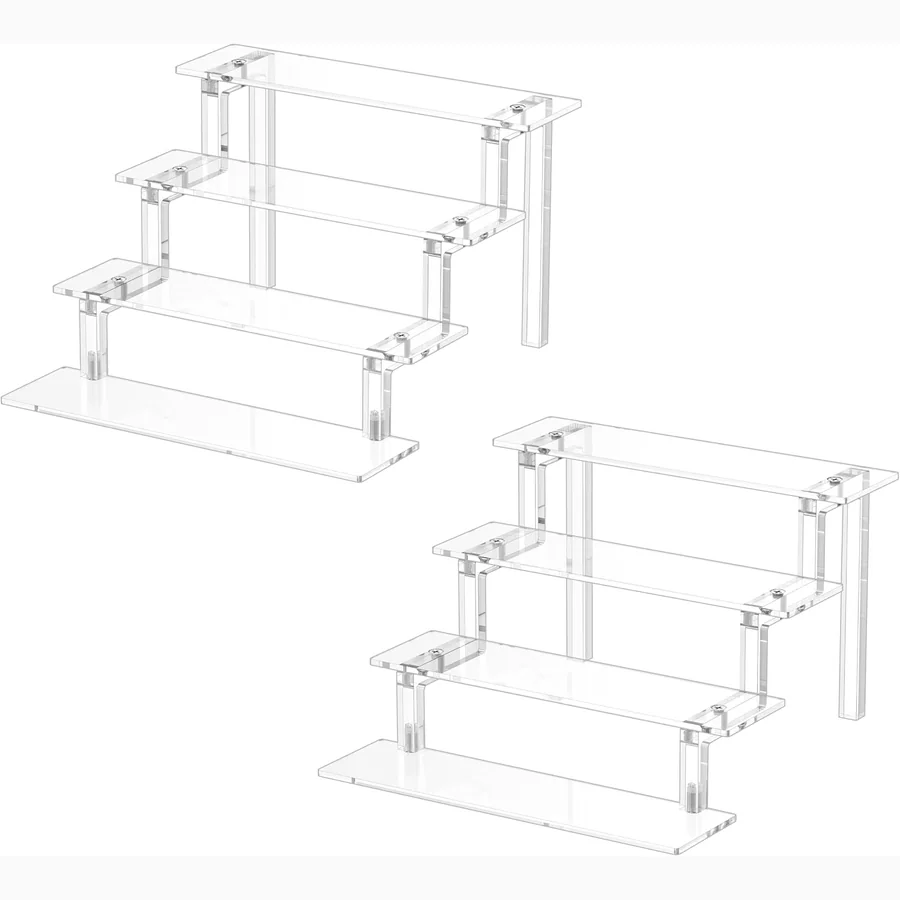
WINKINE 4-Tier Display Riser
A compact acrylic riser set that works on Detolf shelves for perfume bottles, figures, and small props.
Check PriceThe IKEA Detolf became the default 43×37×163 cm all-glass cabinet for collectors of figures, models, and toys. With the line discontinued in many markets, shoppers compare IKEA successors, wider glass cabinets, budget cases, and premium stackable systems to match space, budget, and display goals.
Browse Options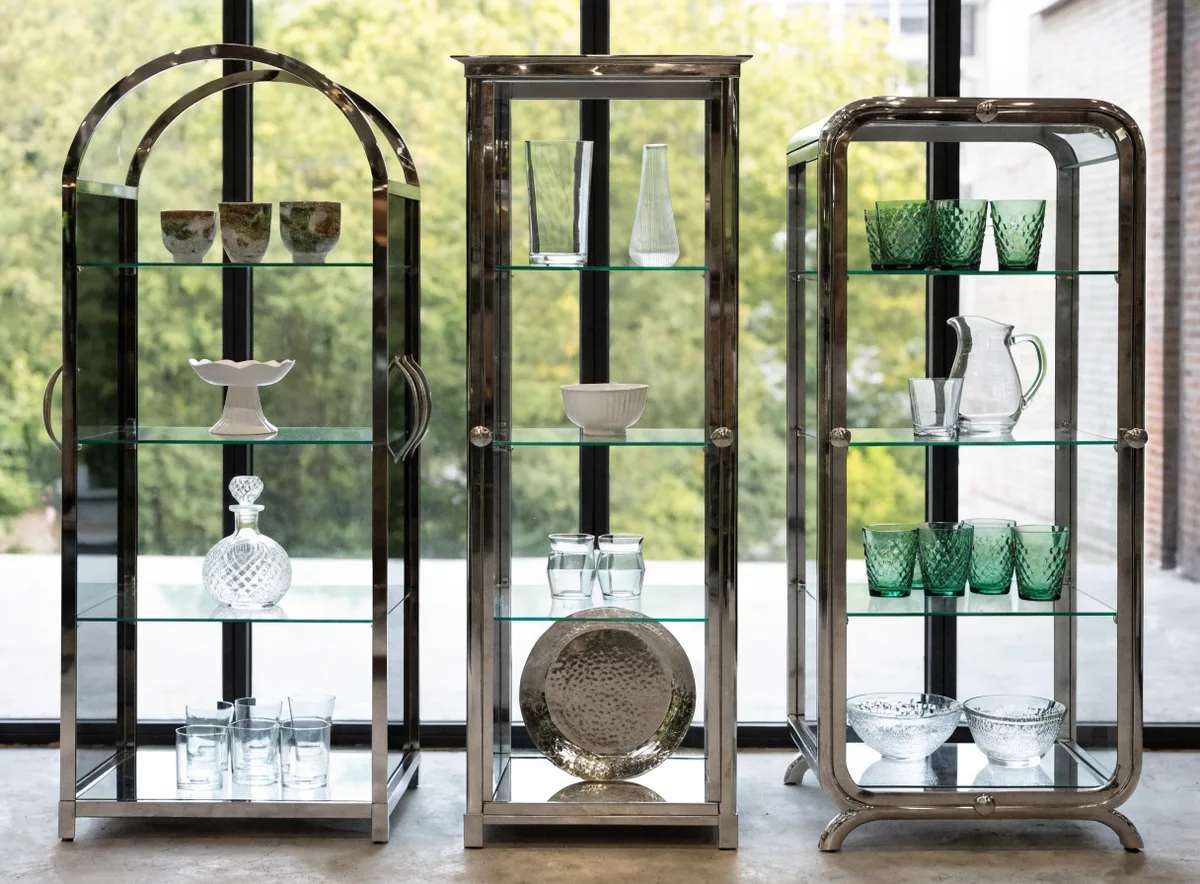
Risers and lighting that improve any Detolf-style glass display setup.
A compact acrylic riser set that works on Detolf shelves for perfume bottles, figures, and small props.
Check Price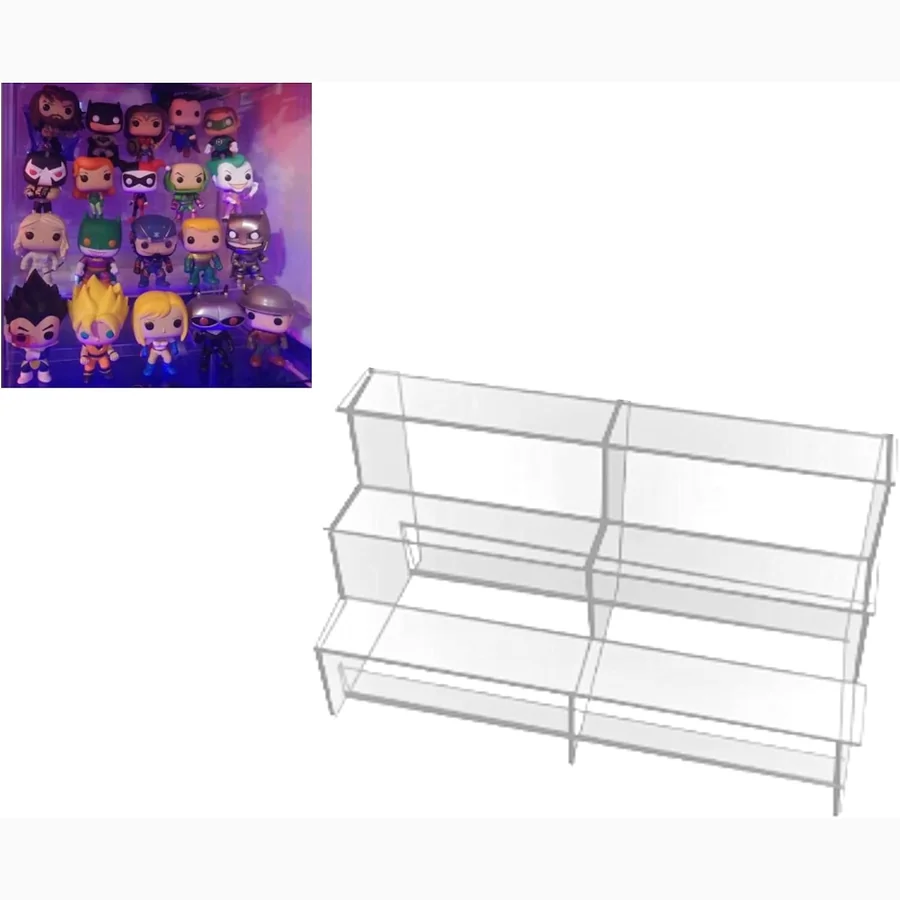
A full-shelf acrylic riser that fits Detolf shelves and lifts rows of figures for a cleaner, deeper display.
Check Price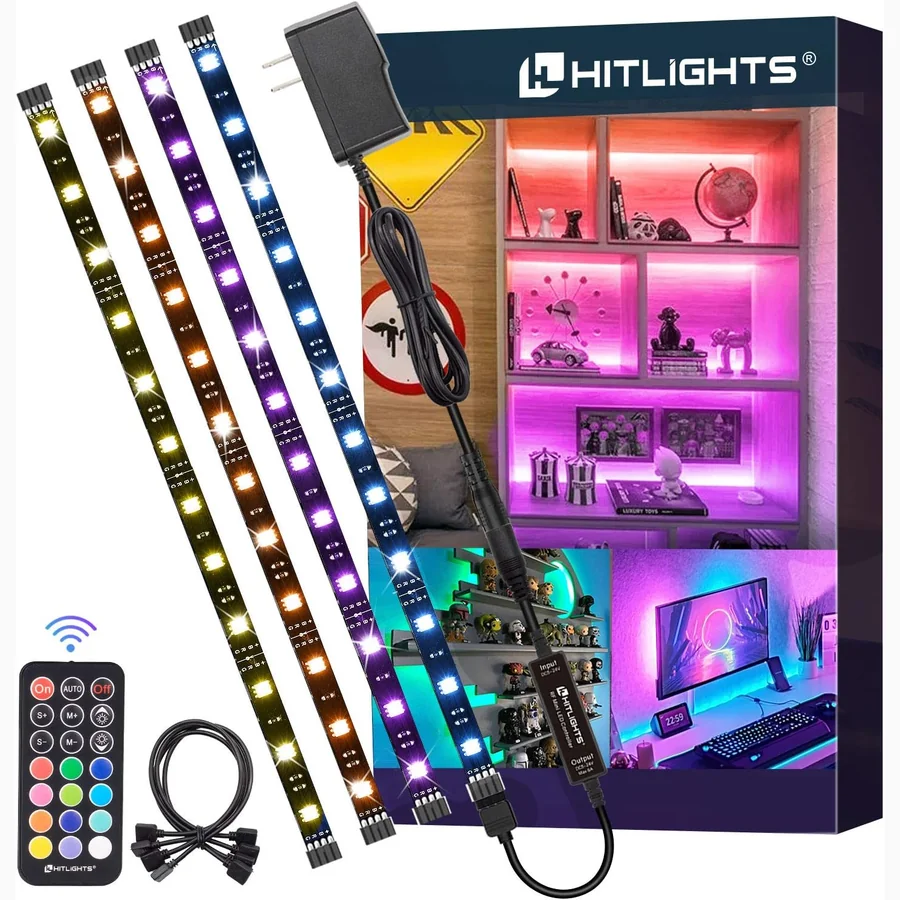
A pre-cut RGB LED kit with remote that collectors often route along Detolf uprights for accent color.
Check Price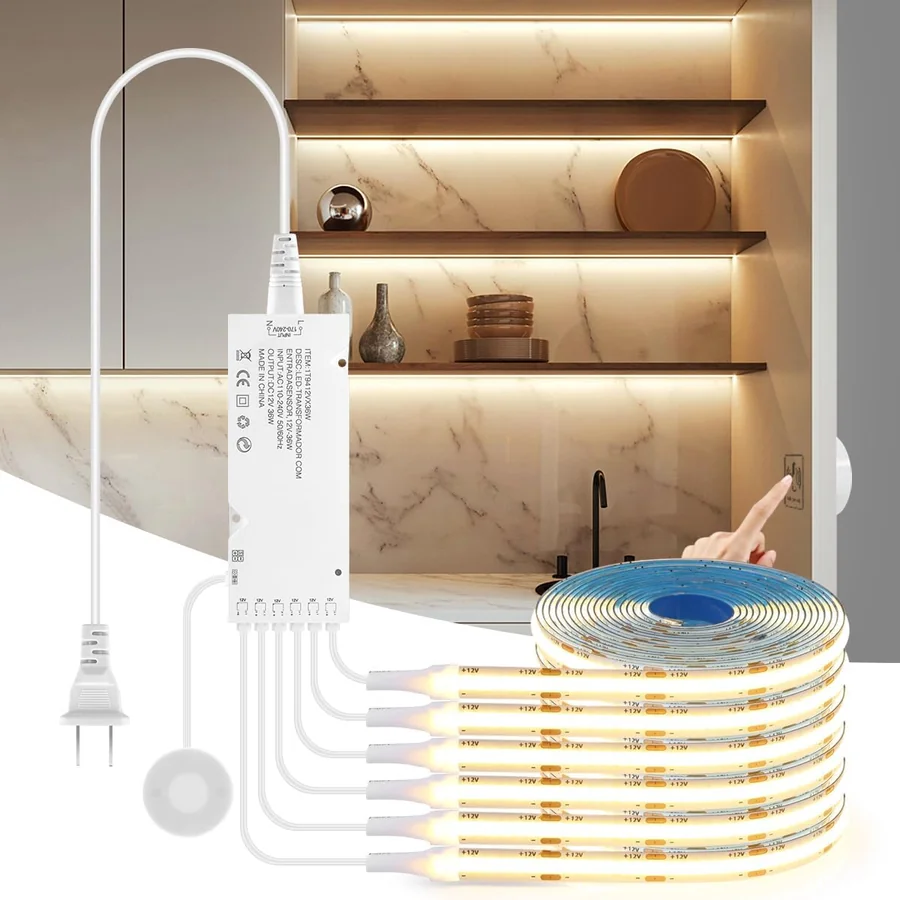
Warm-white COB cabinet strips with touch dimming that suit Detolf interiors needing even shelf light.
Check PriceThe Detolf earned its reputation with four adjustable glass shelves, a small floor footprint, and clear views from almost every angle. Today, buyers seek alternatives for several practical reasons. Discontinuation and regional stock gaps make the original hard to find at sane prices. Others need different widths or depths for dioramas, LEGO cities, or long ships. Budget-conscious collectors want similar utility without secondary-market markup.
Some hobbyists outgrow a single column of shelves and want wider cabinets or modular stacks. A few prioritize locking doors, integrated lighting, or metal framing for peace of mind in homes with kids or pets. Each priority points toward a different substitute rather than a single perfect clone.
Before you buy, list your maximum width, required shelf height, and weight per shelf. Compare those numbers to any alternative's interior specs—outer marketing dimensions can mislead if the frame eats usable space.
IKEA periodically rotates glass-door display products. Blåvingad and similar contemporary cabinets may differ in proportions, door style, and shelf count from the classic Detolf. Check current regional catalogs for availability; model names and finishes change faster than community nicknames keep up.
When evaluating any IKEA glass cabinet, confirm interior width, shelf spacing, and whether shelves are glass or particleboard. Collector-friendly setups usually favor full glass shelves and predictable pin holes. Walk the showroom with a tape measure if you can—listed dimensions are helpful, but seeing door swing and frame width matters for tight rooms.
IKEA alternatives often win on flat-pack price and spare-parts ecosystems while the line remains active. Capture the product name and article number so you can order extra shelves or hinges later.
Milsbo is frequently recommended when collectors need more horizontal room than a single Detolf provides. The cabinet combines glass panels with a metal frame for a more industrial look. Width and shelf layout suit wider statues, multiple rows of boxed figures, or shallow dioramas that feel cramped in a 43 cm column.
Trade-offs include a different aesthetic, often higher price and heavier boxes, and dimensions that may not tile as neatly in a narrow hallway. Measure doorways and stair turns before committing; wide cabinets are notorious for awkward moves.
If your goal is a “two Detolfs in one footprint” feel, compare Milsbo interior shelf depth against your tallest pieces. Depth—not just width—determines whether long vehicles or wings fit comfortably.
Rudsta units offer a more enclosed metal-and-glass look, sometimes with top and bottom solid panels that change lighting and visibility versus the Detolf's nearly all-glass silhouette. They appeal to collectors who want a clean cube or grid layout and integrated LED options on certain variants.
Rudsta may use different shelf materials or spacing; verify whether shelves suit your display weight. The visual change is meaningful: less “invisible box,” more defined frame, which can help hide cable runs or base clutter.
Choose Rudsta when aesthetics and modular stacking matter as much as raw glass area. It is less a one-to-one Detolf substitute than a fresh direction within the same retailer ecosystem.
Big-box furniture brands and online marketplaces sell glass-door curio cabinets at lower price points. Quality varies widely: thin glass, particleboard backs, and wobbly hinges appear in the cheapest tiers. Read reviews for shipping breakage rates and hinge complaints before ordering.
Budget alternatives can work well for light figures, boxed collectibles, or temporary displays. They struggle when users expect Detolf-level simplicity of viewing from the sides or when shelf loads approach metal die-cast weight.
Look for adjustable shelves, tempered glass labels, and replaceable hinge hardware. If the listing avoids those terms, assume compromises and price accordingly.
At the high end, brands like Moducase and similar modular systems target collectors who want stackable, often acrylic or glass-forward cases with integrated lighting, dust control, and uniform sizing for entire walls. These systems cost far more than a Detolf but deliver repeatability for large collections and convention-style presentation.
Premium cases make sense when UV filtering, lock options, and precise module heights protect valuable items. They are overkill for a first apartment setup unless budget is not the constraint.
Compare lead times and shipping regions; custom or semi-custom orders can take weeks. Factor in future expansion—premium lines reward planning a grid rather than buying one-off sizes.
When floor space is scarce, wall-mounted shadow boxes and shallow display cases keep pieces at eye level and away from bumps. Depth is the limiting factor: shallow cases suit minifigures, carded figures, and small vehicles, not tall statues.
Always anchor to studs and respect weight limits printed by the manufacturer. Glass-forward wall cases need careful leveling so doors hang true. Consider LED strips with low heat output and concealed wiring for a clean look.
Wall options complement rather than replace a Detolf-style tower; many collectors mix one tall cabinet plus a row of wall cases for hierarchy and variety.
Advanced hobbyists build custom plywood or aluminum extrusion frames with ordered tempered glass panels. DIY offers exact dimensions, bespoke lighting channels, and unique tier heights for oddball collectibles. It demands time, tools, and tolerance for trial and error.
If you go DIY, design around standard glass sizes to control cost. Plan shelf pin holes or captive shelf rails before assembly. Finish edges and paint before glass installation to avoid fumes curing near silicone seams.
DIY is strongest when you need non-standard depth or an L-shaped run that no flat-pack line offers. Document measurements in our dimensions guide as a baseline for your own drawings.
Use the table below as a starting point; verify current product specs at purchase time. Prices shift by region, sales, and currency.
| Option | Approx. price tier | Size notes | Collector features |
|---|---|---|---|
| IKEA Detolf (classic) | Budget–mid (when available) | ~43×37×163 cm exterior; slim footprint | All-glass look; 4 glass shelves; iconic side view |
| IKEA Milsbo | Mid | Wider than Detolf; metal frame | More horizontal space; industrial aesthetic |
| IKEA Rudsta | Budget–mid | Varies by variant; modular cubes | LED options on some; enclosed frame look |
| Budget big-box curio | Low | Mixed dimensions; often deeper or shorter | Variable glass quality; check tempered labeling |
| Moducase / premium modular | High | Configurable modules | Lighting, stacking, collector-oriented sizing |
| Wall-mounted case | Low–mid | Shallow depth; span varies | Saves floor space; great for small items |
For 1/6 scale figures and tall statues, prioritize interior height and adjustable shelves—wider cabinets like Milsbo help when poses spread sideways. For dense rows of smaller figures, slim towers or multiple narrow units preserve sightlines. LEGO and block displays often need extra depth; verify shelf depth before buying.
Model ships and long kits may force custom shelving or DIY cases regardless of brand. High-value graded items benefit from premium modules with better sealing and lighting control. Mixed households should consider doors that latch reliably and bases that resist tipping.
No alternative wins every category. Match the cabinet to your room geometry, collection growth plan, and tolerance for dusting. When possible, buy one test unit before committing to a full wall of matched cases.
It depends on your region and stock. IKEA glass cabinets such as Milsbo or Rudsta are common starting points. None match every Detolf trait; compare width, shelf material, and frame style to your priorities.
Often yes for width-heavy pieces, because Milsbo offers more horizontal room. Verify interior depth and shelf heights against your tallest items before buying.
They can be if you need modular expansion, integrated lighting, and consistent sizing across a large collection. For a first display, a flat-pack glass cabinet is usually enough.
Yes. Many collectors blend slim towers with wider units for visual rhythm. Align finishes and lighting temperature so the wall reads as one curated display rather than mismatched furniture.
Now that you know the exact dimensions, explore where to buy a Detolf or discover similar alternatives that fit your space.